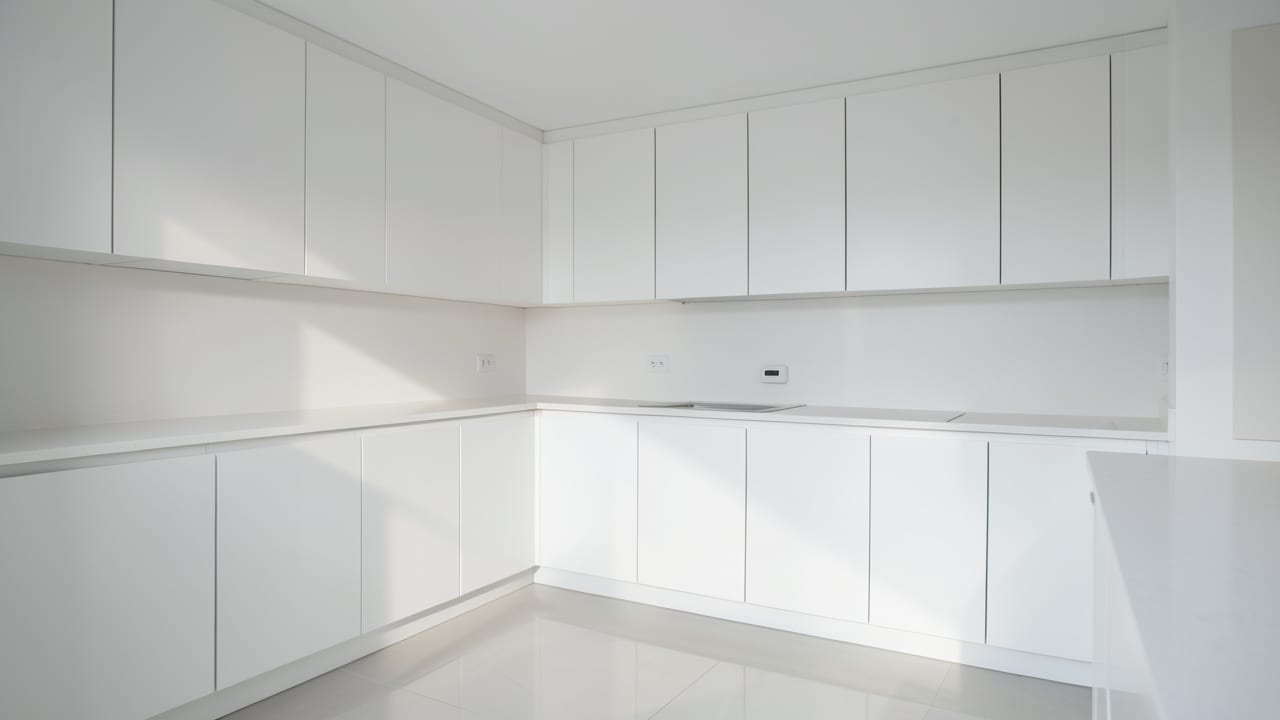
Move-In Mold Assessment
Professional inspection and assessment of mold presence before moving into a property.
A move-in mold assessment in Concord, CA, helps new homeowners identify hidden or visible mold before moving in. This service includes a thorough inspection of walls, ceilings, HVAC systems, and moisture sources, along with lab-tested samples to determine the scope of any contamination.
Understanding potential issues upfront can save time and money during the remediation process.
We also handle Sewer Backup Mold Cleanup and Pipe Leak Mold Removal for Concord properties.
When to consider a move-in mold assessment
Mold often goes unnoticed until it becomes a larger problem. Signs that warrant an assessment include persistent musty odors in closets, bathrooms, or crawl spaces, visible mold growth on walls, grout, or window frames, or symptoms like sneezing or itchy eyes that improve when avoiding a specific room.
Even a past leak or flood that was cleaned up but not inspected can hide lingering mold.
A professional assessment is also recommended if you suspect hidden moisture sources, such as damp subfloors, roof leaks, or condensation in basements. These issues can lead to mold growth that isn’t immediately visible but may cause long-term damage if left unaddressed.
Common Signs Mold May Be Present
- A persistent musty or earthy smell in a room that doesn’t go away with airing out.
- Visible mold growth—black, green, brown, or dark speckles—on drywall, grout, or window frames.
- Symptoms like sneezing, headaches, or itchy eyes that improve when you leave a specific room.
- A history of leaks or floods that were cleaned up but never professionally inspected.
- Damp or wet spots on walls, ceilings, or floors that suggest hidden moisture.
What the assessment covers
A move-in mold assessment begins with a visual inspection to identify visible mold, staining, and signs of moisture damage. The inspector then uses tools like moisture meters and thermal imaging to detect hidden dampness in walls, subfloors, and roof lines.
This step is critical because mold often thrives in areas that aren’t immediately obvious.
If the source of mold isn’t clear from the inspection, air and surface samples are collected from suspect areas and compared to a control sample from an unaffected room. These samples are sent to an independent lab for analysis, which typically takes two to five business days.
The lab identifies mold species and spore concentrations, providing a clear picture of the contamination.
Why moisture source matters
Identifying the moisture source is just as important as detecting mold. Without fixing the root cause—such as a roof leak, plumbing issue, or poor ventilation—mold is likely to return.
The assessment includes tracing moisture back to its origin, whether it’s from condensation, grading problems, or a slow leak. This step ensures the remediation addresses the underlying issue.
A written scope report is provided after the assessment, detailing affected materials, the likely moisture source, and the square footage involved. This document is essential for planning remediation and ensures compliance with California’s licensing requirements for mold work.
A spore count alone doesn’t tell you whether mold will return. Fixing the moisture source is critical to preventing future growth.
How a move-in mold assessment works
This process ensures a thorough evaluation of potential mold issues in your new home.
- 1Visual Inspection
The inspector examines every room for visible mold, staining, and signs of moisture damage, including walls, ceilings, and basements. They also check for musty odors, which often indicate hidden mold.
- 2Moisture and Thermal Imaging
Tools like moisture meters and thermal imaging are used to detect hidden dampness in walls, subfloors, and roof lines. This helps identify areas where mold may be growing but isn’t yet visible.
- 3Sample Collection
If the source of mold isn’t clear, air and surface samples are taken from suspect areas and compared to a control sample from an unaffected room. These samples are sent to an independent lab for analysis.
- 4Lab Analysis and Report
The lab identifies mold species and spore concentrations, typically within two to five business days. A written report is then provided, detailing affected materials, moisture sources, and the scope of contamination.
- 5Moisture Source Diagnosis
The inspector traces moisture back to its origin—whether it’s a roof leak, plumbing issue, or poor ventilation—and includes this in the report to guide remediation efforts.
Frequently asked questions
What should I do if I notice a musty smell in my new home?
A musty smell is often the first sign of mold. Schedule a move-in assessment to identify the source and determine if mold is present. Addressing moisture issues quickly can prevent mold from spreading.
How long does the lab analysis take?
Lab results typically take two to five business days, depending on the lab’s workload. This timeframe allows for accurate identification of mold species and spore concentrations.
Will the assessment tell me if the mold will come back?
The assessment identifies current mold and moisture sources, but preventing future growth depends on fixing those sources. The report will outline steps to address moisture issues and reduce the risk of recurrence.
Do I need to be home during the inspection?
You don’t need to be present, but it’s helpful to point out areas of concern, such as damp spots or unusual odors. The inspector will document everything during the walkthrough.
Where Concord sits, and what the Census lists nearby
Concord sits in California, and the closest places listed in the U.S. Census Gazetteer are Pacheco (3.9 miles west), Clyde (3.9 miles north), Pleasant Hill (4.2 miles west), Contra Costa Centre (4.3 miles southwest).
Within 25 miles of Concord the same source lists 75 distinct incorporated places and census-designated places.
Those figures matter for move-in mold assessment because they are straight-line distances between Census coordinate points: road mileage between Concord and Pacheco runs longer than the 3.9 miles shown, which is why quotes for the same job differ between towns that look close together on a map.
Source: U.S. Census Bureau Gazetteer.
See Walnut Creek, CA for more, or check out everything Concord homeowners can book with us in detail for our complete lineup.
Ready to get started?
Talk to a local mold remediation pro in Concord — get a written quote.
Other Mold Remediation Services in Concord
Sewer Backup Mold Cleanup in Concord, CA
Professional cleanup of mold caused by sewer backups in homes.
Learn More
Pipe Leak Mold Removal in Concord, CA
Professional removal of mold caused by pipe leaks in homes.
Learn More
Rental Property Mold Cleanup in Concord, CA
Professional mold removal and remediation for rental properties to restore safe living conditions.
Learn More
School Mold Remediation in Concord, CA
Professional mold removal and remediation in schools to ensure a safe, healthy environment.
Learn More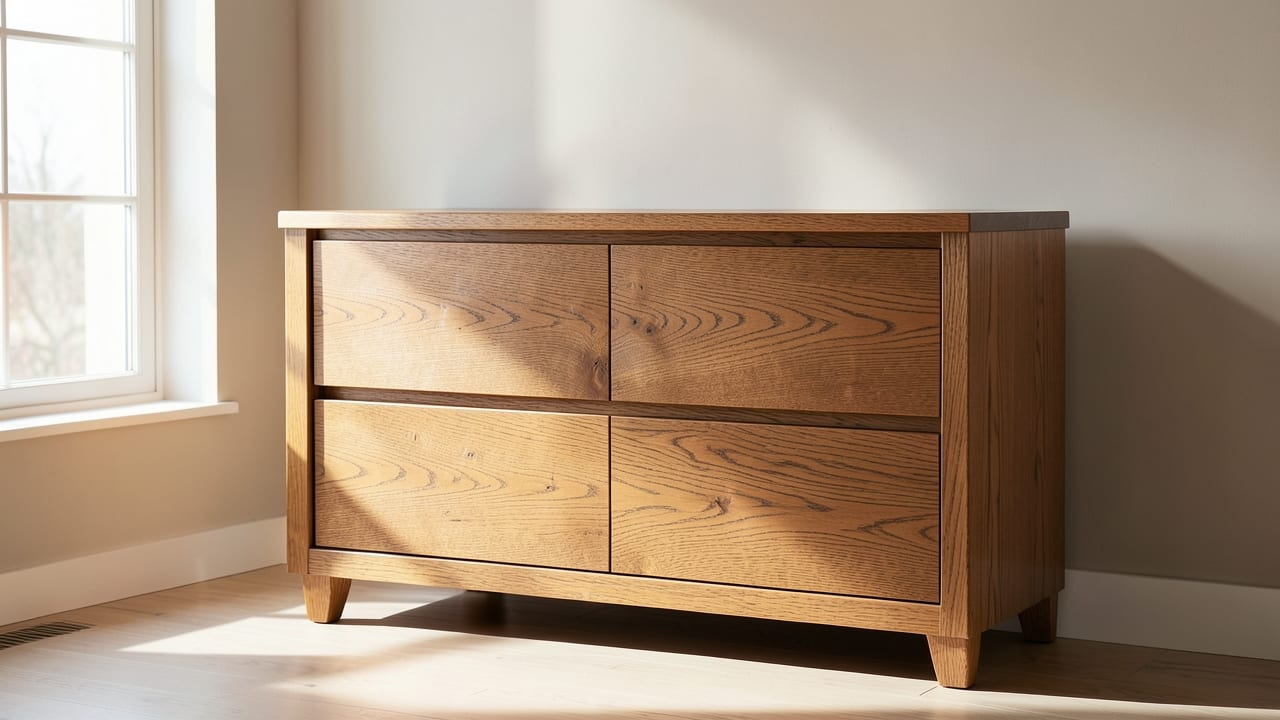
Wood Furniture Mold Remediation in Concord, CA
Professional removal and treatment of mold from wood furniture to restore safety and appearance.
Learn More
Tile & Grout Mold Cleanup in Concord, CA
Professional removal of mold from tile and grout surfaces in bathrooms, kitchens, and other tiled areas.
Learn MoreCommon Questions About Mold Remediation in Concord
Everything you need to know about mold remediation services in Concord
How much does Move-In Mold Assessment typically cost in Concord, CA?
Does coastal humidity around Concord, CA change how mold risk is assessed?
Is it safe to stay in the home during mold remediation?
Can small mold problems be handled without hiring anyone?
What's the actual difference between mold removal and mold remediation?
Is a final clearance test part of a typical mold remediation job?
Need Mold Remediation in Concord?
Connect with local providers in Concord for a detailed quote.
⏰ We answer your call • Serving all of Concord and surrounding areas