
Pipe Leak Mold Removal
Professional removal of mold caused by pipe leaks in homes.
Pipe leak mold removal in Concord, CA targets fungal growth caused by hidden water damage behind walls, under floors, or in ceilings. Unlike surface mold, this type of infestation requires professional containment, material removal, and moisture control to prevent recurrence.
Homeowners often notice musty odors, visible stains, or recurring mold after cleaning—signs the moisture source hasn’t been addressed.
We also handle Rental Property Mold Cleanup and School Mold Remediation for Concord properties.
When to call for pipe leak mold removal
Pipe leak mold often hides behind walls, under flooring, or inside ceilings, making it invisible until it spreads. Musty smells, persistent dampness, or mold returning after cleaning are common red flags.
In California, mold covering more than 25 contiguous square feet typically requires professional remediation, as DIY methods may miss hidden growth or fail to address the moisture source.
Hidden leaks—like burst pipes, roof damage, or plumbing failures—feed mold growth over time. Without fixing the leak, mold can regrow within months, even after remediation. Rooms with poor airflow, such as windowless bathrooms or basements, are especially prone to recurring dampness and mold.
Signs You Need Professional Pipe Leak Mold Removal
- Mold covers more than a small, isolated patch (25+ sq ft in CA triggers professional standards)
- Musty smell with no visible mold—often indicates hidden growth behind walls or under floors
- Mold returns within weeks after cleaning, suggesting the moisture source wasn’t fixed
- Visible water stains, warped drywall, or peeling paint near pipes or plumbing fixtures
- Dampness or condensation that won’t dry, even after fixing the leak
What affects cost and timeline?
The size of the affected area and the type of mold influence pricing. Black mold remediation typically costs more due to stricter containment and disposal requirements. Labor rates in Concord, CA, reflect local market conditions, with most jobs priced per square foot of treated area.
Hidden leaks or structural damage may extend the timeline, as crews must locate and repair the moisture source before remediation begins. Clearance testing—required to confirm the job’s effectiveness—adds time and cost but ensures the space is safe afterward.
What happens if you skip key steps?
Containment breaches—like torn plastic sheeting or open doors—allow spores to spread to unaffected areas, turning a small job into a larger one. Skipping HEPA filtration during removal recirculates spores instead of capturing them, risking wider contamination.
Fixing the moisture source is critical; without it, mold regrows on damp materials even after remediation. Structural drying with dehumidifiers ensures framing and subfloors return to safe moisture levels before the space is sealed.
Removing mold without fixing the leak or using non-HEPA equipment can spread spores to clean areas. Always confirm containment is intact and moisture is fully addressed—otherwise, the problem returns.
How pipe leak mold removal works
Professional remediation follows strict steps to contain, remove, and prevent mold regrowth.
- 1Locate and Repair the Leak
Crews identify the moisture source—often a hidden pipe leak—and repair it to stop further water intrusion. Without fixing the leak, mold will regrow even after removal.
- 2Contain the Affected Area
Plastic sheeting and negative-air machines seal off the work zone, preventing spores from spreading to other parts of the home during removal.
- 3Remove or Treat Moldy Materials
Porous materials like drywall and insulation are cut out and disposed of, while non-porous surfaces (tile, framing) are scrubbed and treated to kill remaining spores.
- 4Dry and Test the Space
Industrial dehumidifiers and air movers dry framing and subfloors to safe moisture levels. An independent clearance test confirms spore counts are back to normal before containment is removed.
Frequently asked questions
Can I clean up pipe leak mold myself if it’s a small area?
Small, isolated patches (under 25 sq ft) *may* be cleaned with bleach or vinegar, but hidden leaks often feed mold behind walls. If the smell or dampness persists, professional remediation is safer and more effective.
Why does mold keep coming back after I clean it?
Mold returns when the moisture source (like a leak) isn’t fixed. Even after removal, damp materials can regrow mold within weeks if airflow or humidity isn’t addressed.
Do I need clearance testing after mold removal?
Yes. A third-party test confirms spore levels are safe before containment is removed. Without it, you can’t be certain the job fully resolved the contamination.
How long does pipe leak mold remediation take?
Timelines vary by size and complexity. Small jobs may finish in a day, while larger or hidden leaks can take 3–5 days, including drying and testing.
Where Concord sits, and what the Census lists nearby
Concord sits in California, and the closest places listed in the U.S. Census Gazetteer are Pacheco (3.9 miles west), Clyde (3.9 miles north), Pleasant Hill (4.2 miles west), Contra Costa Centre (4.3 miles southwest). Within 25 miles of Concord the same source lists 75 distinct incorporated places and census-designated places.
Those figures matter for pipe leak mold removal because they are straight-line distances between Census coordinate points: road mileage between Concord and Pacheco runs longer than the 3.9 miles shown, which is why quotes for the same job differ between towns that look close together on a map.
Source: U.S. Census Bureau Gazetteer.
See Pittsburg, CA for more, or check out the mold remediation work we do around Concord on a single page for our complete lineup.
Ready to get started?
Talk to a local mold remediation pro in Concord — get a written quote.
Other Mold Remediation Services in Concord
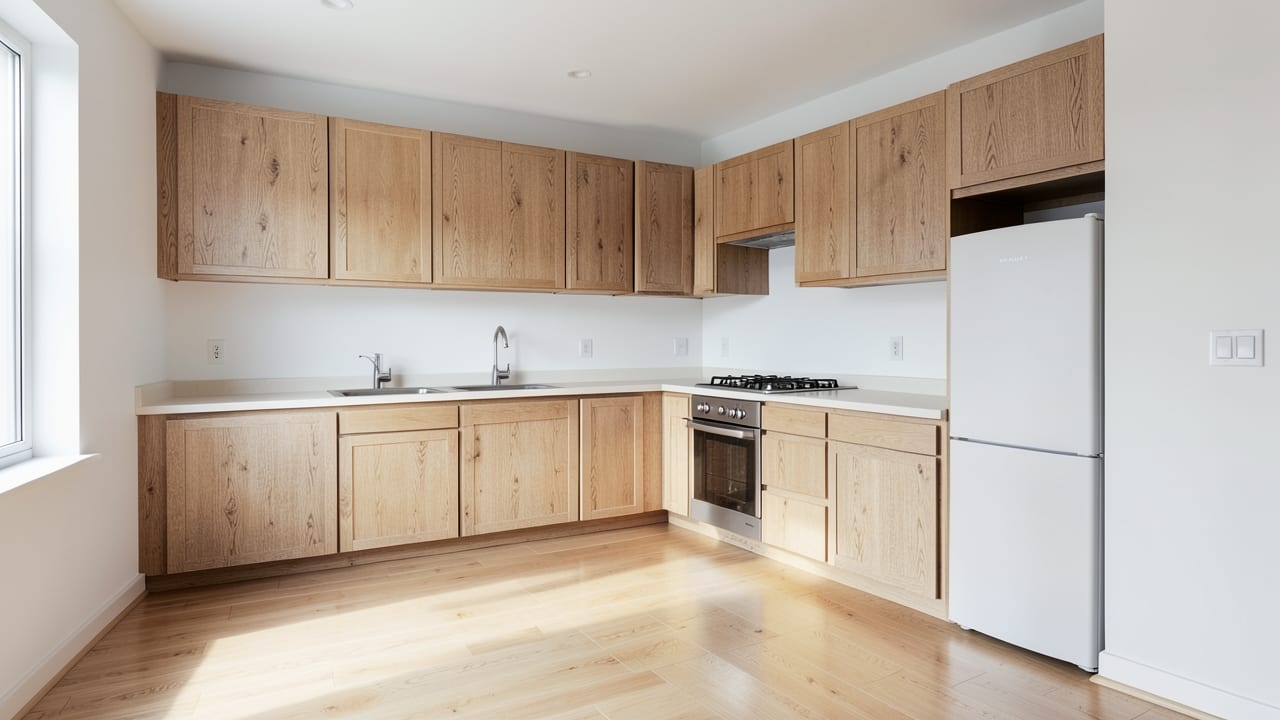
Rental Property Mold Cleanup in Concord, CA
Professional mold removal and remediation for rental properties to restore safe living conditions.
Learn More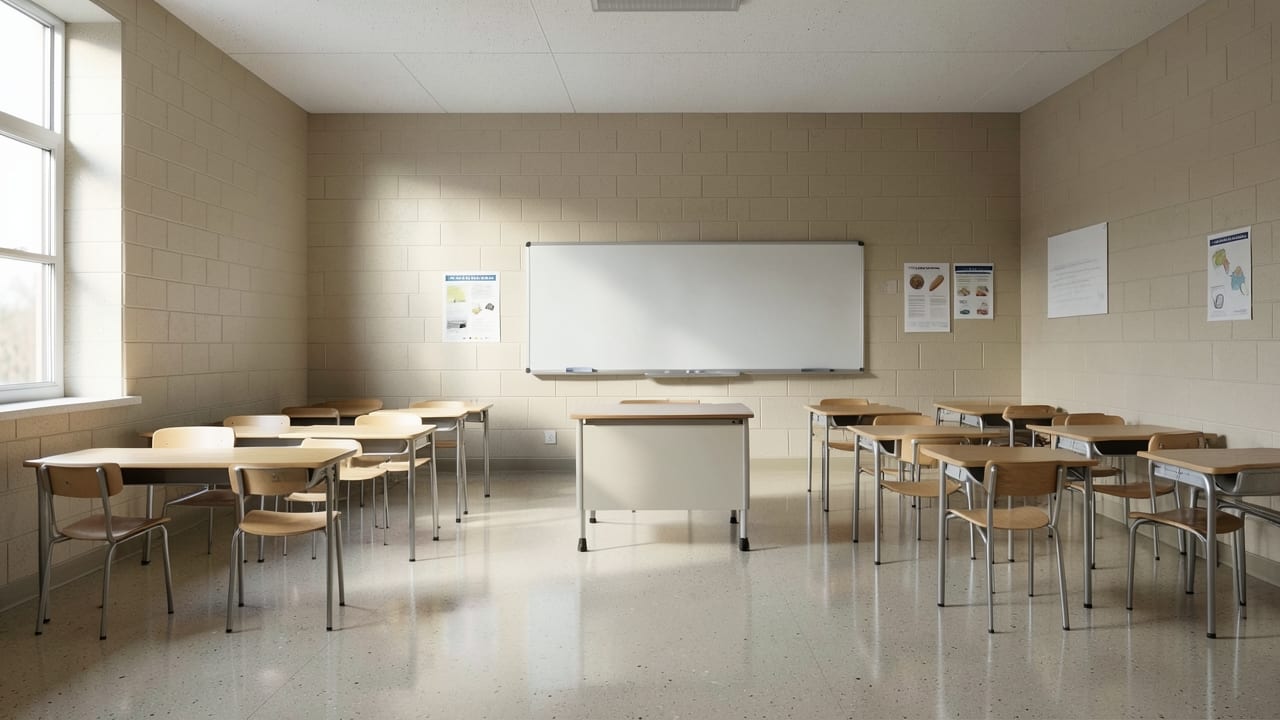
School Mold Remediation in Concord, CA
Professional mold removal and remediation in schools to ensure a safe, healthy environment.
Learn More
Wood Furniture Mold Remediation in Concord, CA
Professional removal and treatment of mold from wood furniture to restore safety and appearance.
Learn More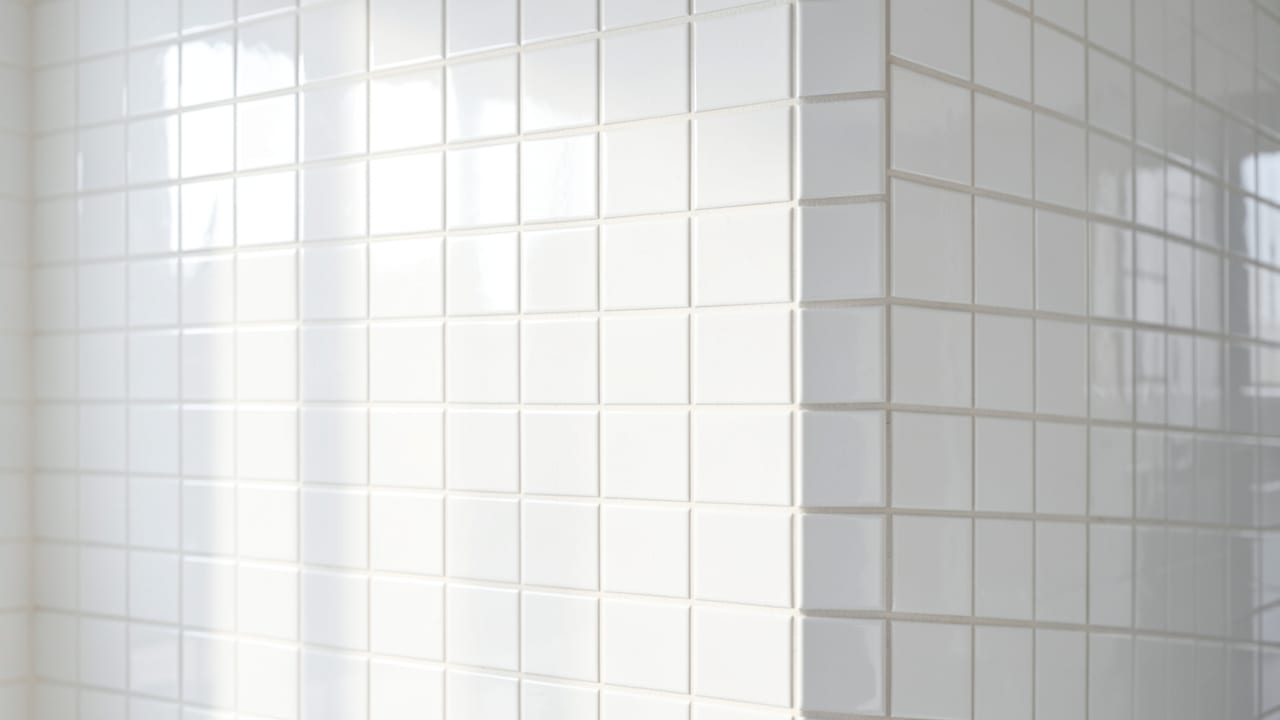
Tile & Grout Mold Cleanup in Concord, CA
Professional removal of mold from tile and grout surfaces in bathrooms, kitchens, and other tiled areas.
Learn More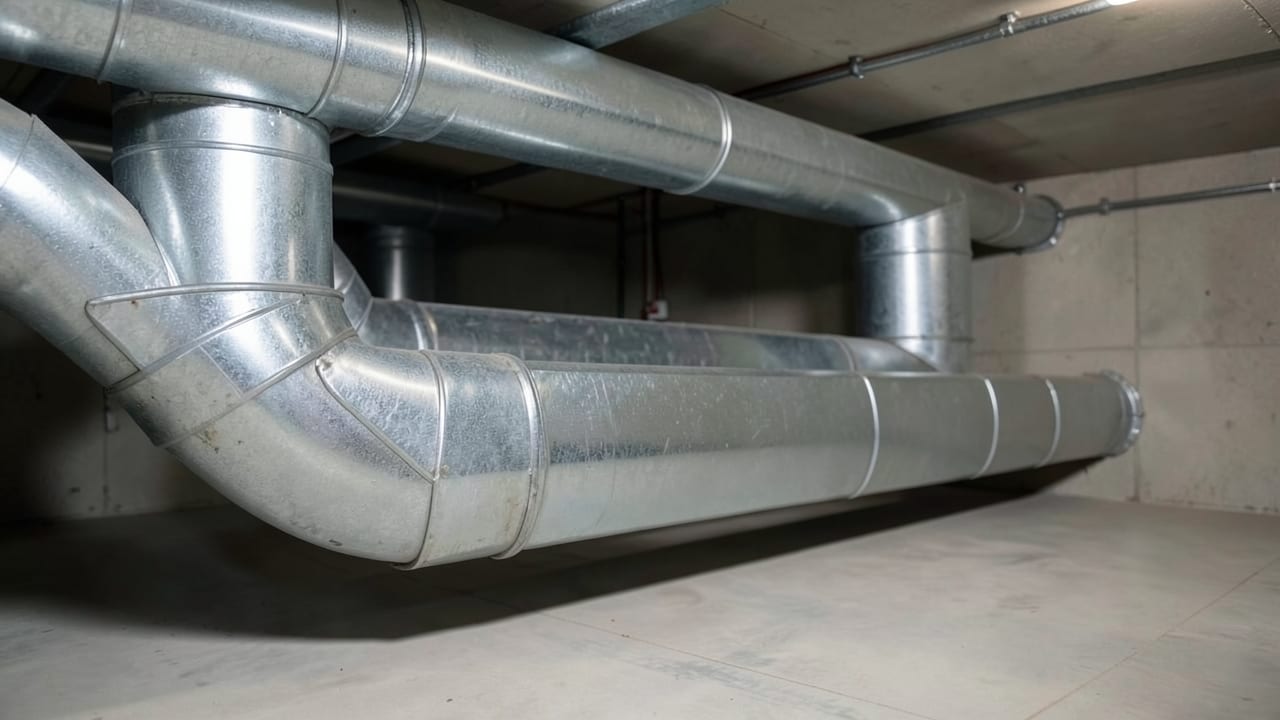
Metal Ductwork Mold Remediation in Concord, CA
Professional removal of mold from metal ductwork to restore indoor air quality.
Learn More
Glass Window Mold Removal in Concord, CA
Professional removal of mold from glass windows and frames to restore clarity and prevent spread.
Learn MoreCommon Questions About Mold Remediation in Concord
Everything you need to know about mold remediation services in Concord
How much does Pipe Leak Mold Removal typically cost in Concord, CA?
Does coastal humidity around Concord, CA change how mold risk is assessed?
Can mold growing inside HVAC ductwork spread to the rest of a home?
Does mold mean the same thing as mildew?
Does homeowners insurance typically cover mold remediation?
Is black mold actually more dangerous than other mold types?
Need Mold Remediation in Concord?
Connect with local providers in Concord for a detailed quote.
⏰ We answer your call • Serving all of Concord and surrounding areas