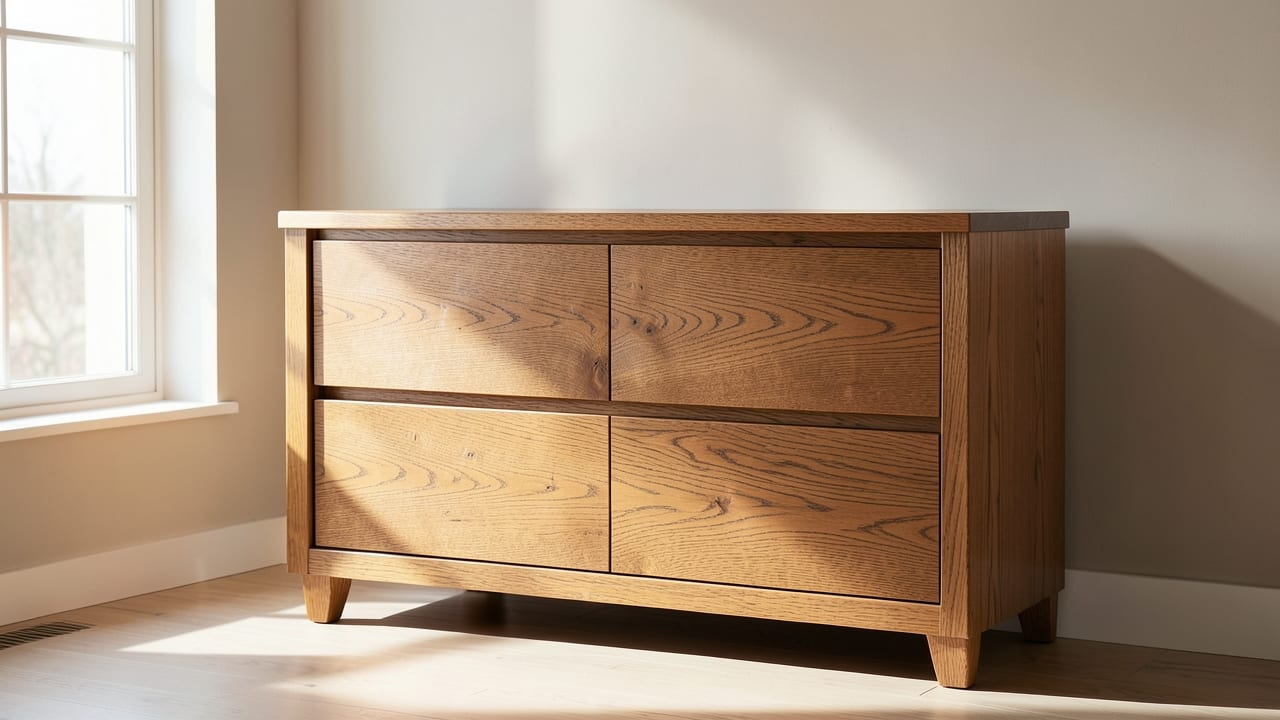
Wood Furniture Mold Remediation
Professional removal and treatment of mold from wood furniture to restore safety and appearance.
Wood furniture mold remediation in Concord, CA targets mold growth embedded in porous surfaces, restoring affected pieces while preventing recurrence. This process involves containment, cleaning, drying, and clearance testing to ensure thorough removal and long-term protection of your furniture and home environment.
When to consider wood furniture mold remediation
Mold on wood furniture often starts as a small, isolated patch but can spread quickly if moisture persists. Visible signs include discoloration, a musty smell, or recurring growth after cleaning. If mold covers more than a small area or keeps returning, it’s time to consult a professional.
We also handle Balcony Mold Cleanup and Sunroom Mold Remediation for Concord properties.
Hidden moisture sources—like leaks behind walls or poor ventilation—often fuel mold growth. A persistent musty odor, even without visible mold, may indicate hidden contamination. Addressing the root cause is essential to prevent future issues.
Signs Your Wood Furniture Needs Mold Remediation
- Mold covers more than a small, isolated patch (e.g., over 25 contiguous square feet).
- Growth returns in the same spot after cleaning, suggesting an unresolved moisture issue.
- A musty smell lingers in the room, even after cleaning visible mold.
- The furniture feels damp or shows signs of water damage, indicating hidden moisture.
What affects pricing and timing?
Pricing for wood furniture mold remediation depends on the size of the affected area, the extent of mold growth, and the type of treatment required. Specialty work—such as refinishing or reupholstering—may add to the cost if performed by the remediation crew or a subcontractor.
Timing varies based on containment setup, drying requirements, and clearance testing. Complex jobs with hidden moisture sources may take longer to fully resolve.
Why containment and testing matter
Proper containment prevents mold spores from spreading to unaffected areas during remediation. Plastic sheeting and negative-air machines seal the work zone, ensuring spores stay contained. Skipping this step risks contaminating other parts of your home.
Clearance testing confirms mold levels return to normal after remediation. An independent lab test verifies the work’s effectiveness, giving you peace of mind that hidden spores haven’t remained.
Skipping HEPA filtration or containment can recirculate spores, turning a contained job into a larger problem.
How wood furniture mold remediation works
This process ensures mold is removed safely and thoroughly while preserving your furniture.
- 1Containment Setup
Plastic sheeting and negative-air machines seal the work area to prevent spores from spreading during removal.
- 2Cleaning and Treatment
Furniture is cleaned with antimicrobial solutions, and porous materials with deep mold growth may be refinished or reupholstered.
- 3Structural Drying
Industrial dehumidifiers and air movers dry framing and subfloors to prevent future mold growth.
- 4HEPA Filtration and Vacuuming
HEPA-filtered air scrubbers and vacuums capture spores, ensuring they don’t re-enter the air.
- 5Clearance Testing
An independent lab test confirms mold levels are back to normal before containment is removed.
Frequently asked questions
Can I clean mold off wood furniture myself?
Small patches of surface mold can be cleaned with vinegar or a commercial antifungal solution. However, if mold is embedded or keeps returning, professional remediation is recommended to address hidden moisture and prevent recurrence.
How long does the remediation process take?
Timing varies based on the extent of mold and moisture issues. Containment, drying, and testing can take anywhere from a few days to over a week for complex jobs.
Will my furniture be ruined after mold remediation?
With proper treatment, wood furniture can often be restored. However, severe mold damage may require refinishing or reupholstering, depending on the material.
Do I need to fix the moisture source after remediation?
Yes. Removing mold without fixing leaks, poor ventilation, or grading issues can lead to regrowth. Addressing the root cause is critical for long-term prevention.
Where Concord sits, and what the Census lists nearby
Concord sits in California, and the closest places listed in the U.S. Census Gazetteer are Pacheco (3.9 miles west), Clyde (3.9 miles north), Pleasant Hill (4.2 miles west), Contra Costa Centre (4.3 miles southwest). Within 25 miles of Concord the same source lists 75 distinct incorporated places and census-designated places.
Those figures matter for wood furniture mold remediation because they are straight-line distances between Census coordinate points: road mileage between Concord and Pacheco runs longer than the 3.9 miles shown, which is why quotes for the same job differ between towns that look close together on a map.
Source: U.S. Census Bureau Gazetteer.
See Castle Hill, CA for more, or find out about our full crew's Concord services step by step for our complete lineup.
Ready to get started?
Talk to a local mold remediation pro in Concord — get a written quote.
Other Mold Remediation Services in Concord

Balcony Mold Cleanup in Concord, CA
Professional removal and treatment of mold growth on balconies and adjacent structures.
Learn More
Sunroom Mold Remediation in Concord, CA
Professional removal and treatment of mold in sunrooms to restore a safe, clean space.
Learn More
Hallway Mold Remediation in Concord, CA
Professional removal and treatment of mold growth in residential hallways.
Learn More
HOA Mold Remediation in Concord, CA
Professional mold removal and remediation for HOA properties to restore safe, healthy living conditions.
Learn More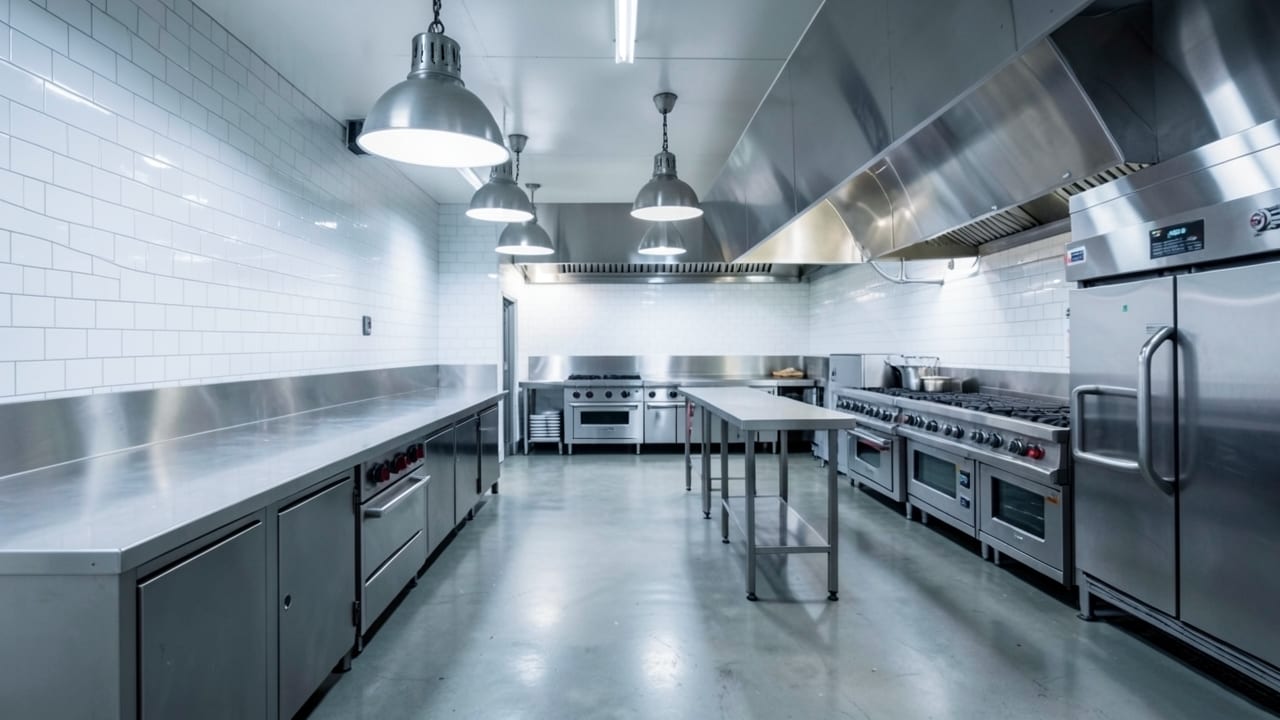
Restaurant Mold Remediation in Concord, CA
Professional mold removal and remediation for restaurant spaces to ensure safety and compliance.
Learn More
Retail Store Mold Remediation in Concord, CA
Professional mold removal and remediation for retail stores to restore safe, clean environments.
Learn MoreCommon Questions About Mold Remediation in Concord
Everything you need to know about mold remediation services in Concord
How much does Wood Furniture Mold Remediation typically cost in Concord, CA?
Does coastal humidity around Concord, CA change how mold risk is assessed?
How does mold remediation actually prevent the problem from coming back?
Can mold growing inside HVAC ductwork spread to the rest of a home?
Does mold mean the same thing as mildew?
Does homeowners insurance typically cover mold remediation?
Need Mold Remediation in Concord?
Connect with local providers in Concord for a detailed quote.
⏰ We answer your call • Serving all of Concord and surrounding areas