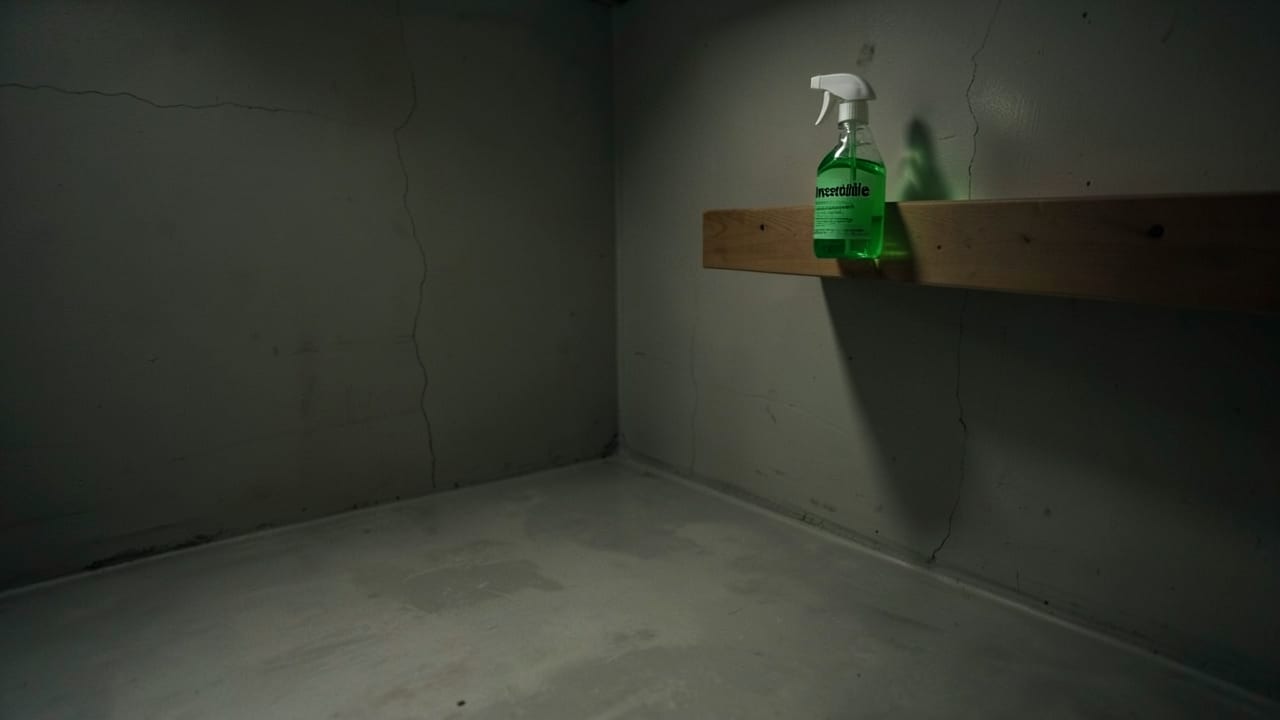
Pest Infestation Mold Remediation
Professional mold removal and remediation for pest-related infestations in homes.
Pest infestations in Concord homes can lead to hidden mold growth, often in walls, attics, or crawl spaces. This specialized remediation service addresses mold caused by moisture from pests like rodents or insects, ensuring thorough cleanup and prevention of further spread.
Proper containment, removal, and drying are critical to stopping regrowth and protecting your home’s air quality.
We also handle Salt Air Mold Remediation and Spring Mold Inspection for Concord properties.
When to call for pest infestation mold remediation
Mold from pest infestations often hides behind walls, under flooring, or in crawl spaces, making it difficult to spot until it spreads. If you notice mold covering more than a small patch, recurring growth after cleaning, or a musty smell with no visible source, it’s likely past DIY scale.
Pest-related mold requires professional containment, removal, and moisture control to prevent regrowth.
Hidden moisture sources—like leaks, condensation, or poor drainage—keep mold returning. Without fixing these, even thorough remediation may not last. A professional can identify these issues during inspection, ensuring the problem is addressed at its source.
Signs You Need Professional Remediation
- Mold covering more than 25 contiguous square feet (a threshold often cited for professional intervention).
- Recurring mold in the same spot after cleaning, indicating an unresolved moisture issue.
- A musty smell with no visible mold, suggesting hidden growth in walls, ducts, or under flooring.
- Visible pest damage (droppings, nests, or chewed materials) combined with mold in the same area.
How pricing and scope affect your project
Pest infestation mold remediation is typically priced per project, not by the hour, because the scope depends on hidden damage. Factors like containment setup, material removal, and moisture source repairs shape the cost.
A low estimate that skips containment or clearance testing may leave spores behind, leading to higher costs later.
Always ask for a written scope of work before starting. This should detail the area treated, containment methods, clearance testing, and whether the moisture source will be fixed. Without these, you risk unexpected charges or incomplete work.
| Factor | Impact on Cost |
|---|---|
| Containment setup (plastic sheeting, negative air) | Added upfront but prevents cross-contamination. |
| Material removal (drywall, insulation, carpet) | Porous items are discarded; non-porous ones may be cleaned. |
| Moisture source repair (leaks, grading, HVAC adjustments) | Critical to prevent regrowth; often priced separately. |
| Clearance testing (independent lab verification) | Ensures spores are cleared; may add 10-20% to the total. |
Why containment and testing matter
Containment keeps spores from spreading during removal. Plastic sheeting and negative-air machines seal the work area, while HEPA-filtered equipment captures spores instead of recirculating them. Without this, spores can drift into unaffected rooms, turning a small job into a larger one.
Clearance testing confirms the work is complete. An independent lab tests air or surfaces post-remediation to verify spore counts are back to normal. Skipping this step leaves no proof the mold is gone, risking regrowth.
How pest infestation mold remediation works
This process ensures mold from pests is removed safely and doesn’t return.
- 1Containment Setup
Plastic sheeting and negative-air machines seal the affected area to trap spores during removal. This prevents cross-contamination into other rooms.
- 2Material Removal or Cleaning
Porous materials (drywall, insulation) are cut out and bagged, while non-porous surfaces (tile, metal) are scrubbed and treated with antimicrobial solutions.
- 3HEPA Filtration and Drying
HEPA air scrubbers run continuously, and surfaces are vacuumed with HEPA tools to capture spores. Industrial dehumidifiers dry framing and subfloors to prevent regrowth.
- 4Clearance Testing
An independent lab tests air or surfaces post-remediation to confirm spore levels are within normal ranges before containment is removed.
Frequently asked questions
How do I know if my mold is from pests or another source?
Look for signs of pests—droppings, nests, or chewed materials—near the mold. Pest-related mold often appears in hidden areas like walls or attics, where moisture from nests or droppings creates ideal growth conditions.
Will my insurance cover pest infestation mold remediation?
Some policies cover mold if it’s linked to a covered peril (like a burst pipe), but pest-related mold is often excluded. Check your policy or ask your insurer before assuming coverage.
How long does the remediation process take?
Active removal takes 1–3 days, depending on the size and complexity. Containment and drying may extend the total project timeline to a week or more, including clearance testing.
Can I stay in my home during the process?
You may need to relocate to another room during active removal, especially if containment isn’t possible in the affected area. The crew will advise on safety precautions.
Where Concord sits, and what the Census lists nearby
Concord sits in California, and the closest places listed in the U.S. Census Gazetteer are Pacheco (3.9 miles west), Clyde (3.9 miles north), Pleasant Hill (4.2 miles west), Contra Costa Centre (4.3 miles southwest). Within 25 miles of Concord the same source lists 75 distinct incorporated places and census-designated places.
Those figures matter for pest infestation mold remediation because they are straight-line distances between Census coordinate points: road mileage between Concord and Pacheco runs longer than the 3.9 miles shown, which is why quotes for the same job differ between towns that look close together on a map.
Source: U.S. Census Bureau Gazetteer.
See Pittsburg, CA for more, or check out our complete Concord service list for our complete lineup.
Ready to get started?
Talk to a local mold remediation pro in Concord — get a written quote.
Other Mold Remediation Services in Concord
Salt Air Mold Remediation in Concord, CA
Professional mold assessment, containment, removal, and prevention in affected areas of the home.
Learn More
Spring Mold Inspection in Concord, CA
Professional assessment and identification of mold growth in homes.
Learn More
Move-In Mold Assessment in Concord, CA
Professional inspection and assessment of mold presence before moving into a property.
Learn More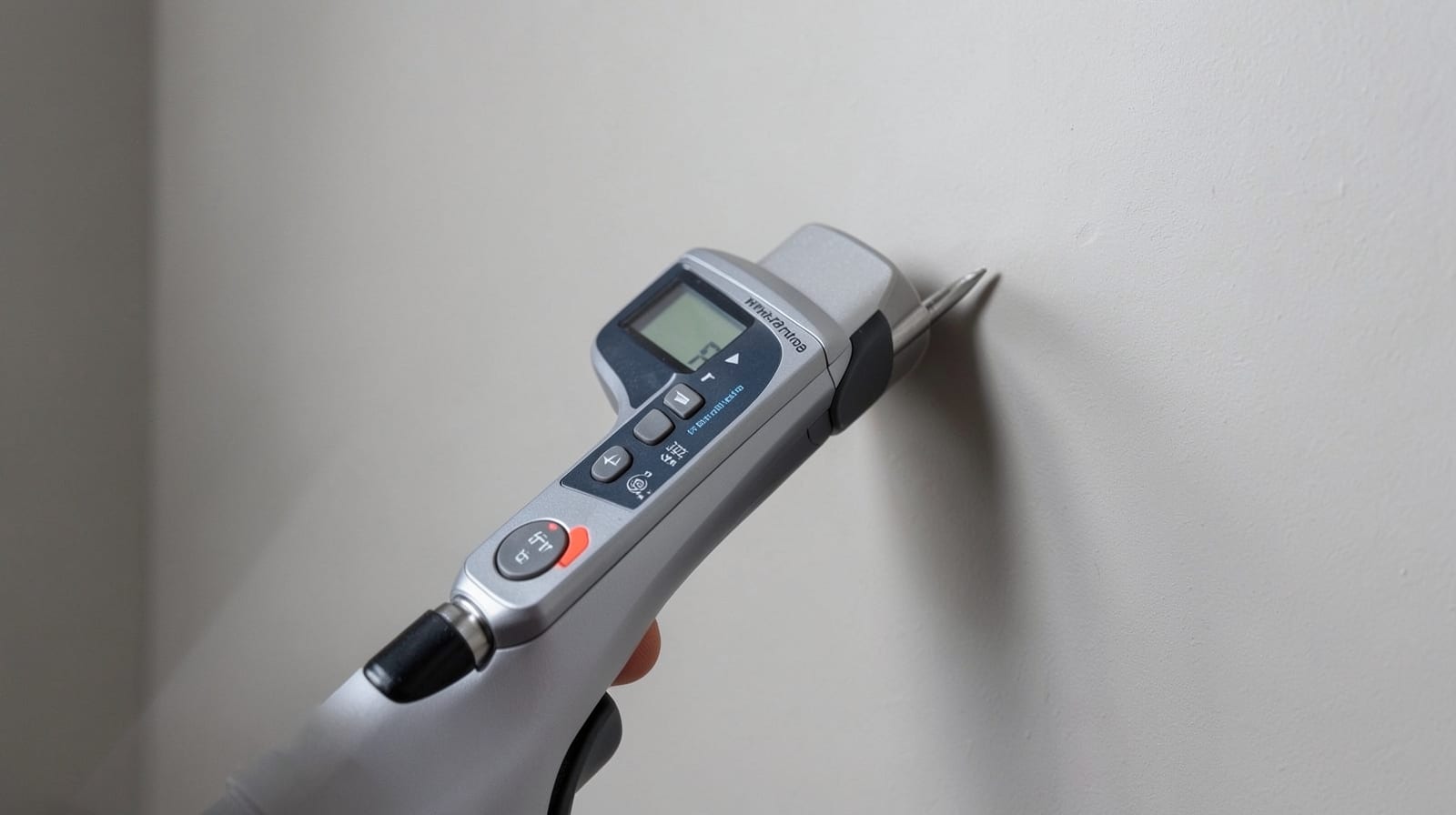
Mold Inspection in Concord, CA
Mold inspection in Concord, CA — a visual and moisture-meter assessment that finds the source of growth, not just the visible spot on the wall.
Learn More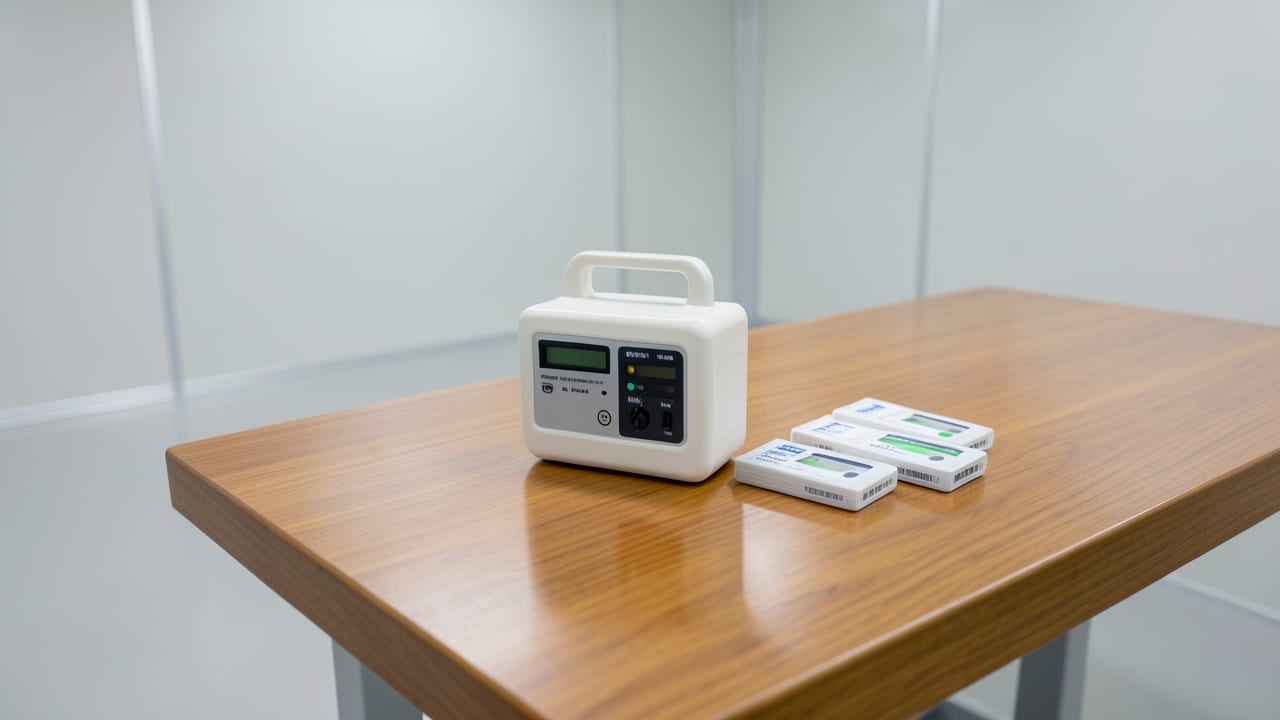
Mold Testing & Air Quality Testing in Concord, CA
Mold and indoor air quality testing in Concord, CA — lab-analyzed air and surface samples confirm what's actually growing and whether it's airborne.
Learn More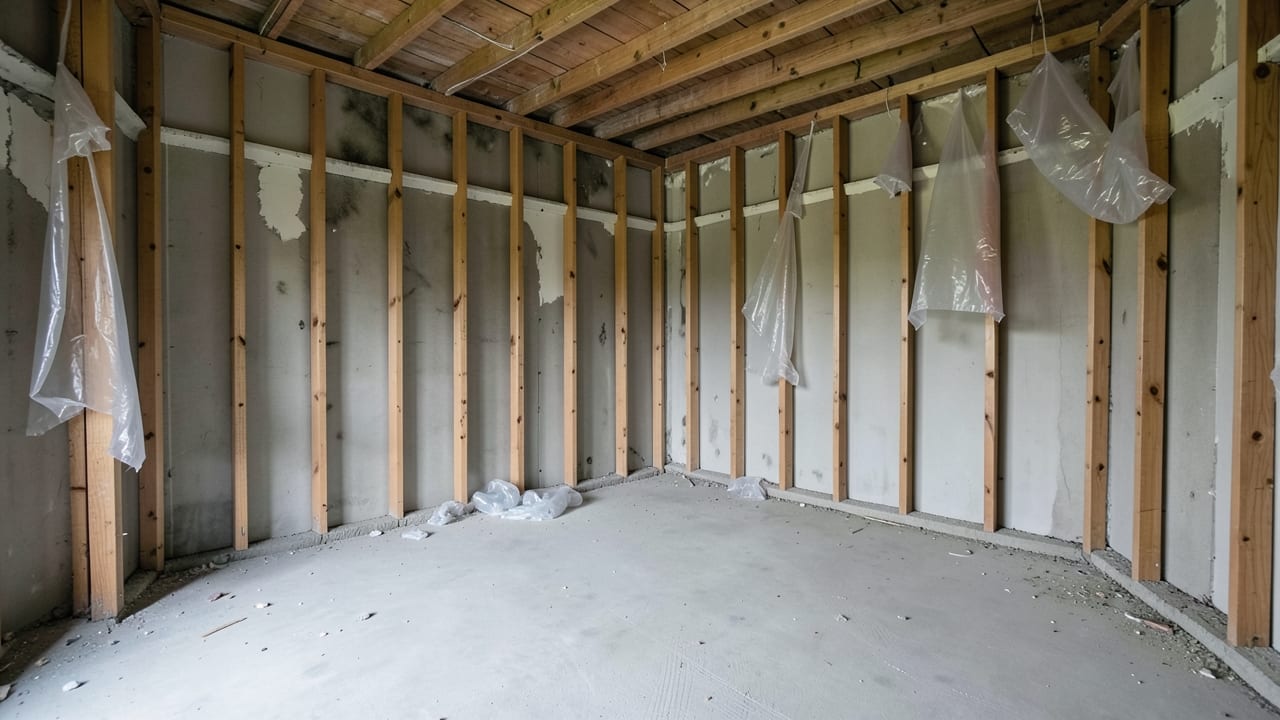
Mold Removal & Remediation in Concord, CA
Mold removal and remediation in Concord, CA — containment, HEPA filtration, and removal of affected material following industry (IICRC S520) protocol.
Learn MoreCommon Questions About Mold Remediation in Concord
Everything you need to know about mold remediation services in Concord
How much does Pest Infestation Mold Remediation typically cost in Concord, CA?
Does coastal humidity around Concord, CA change how mold risk is assessed?
Does homeowners insurance typically cover mold remediation?
Is black mold actually more dangerous than other mold types?
How long does a typical mold remediation job take?
Is it safe to stay in the home during mold remediation?
Need Mold Remediation in Concord?
Connect with local providers in Concord for a detailed quote.
⏰ We answer your call • Serving all of Concord and surrounding areas