Mold-Resistant Building Materials for Your Concord Home Renovation
Renovating your home is the perfect time to future-proof against mold. In our climate, with wet winters and dry summers, moisture intrusion is a year-round risk—especially in crawl spaces, basements, and bathrooms. We’ll walk you through the best materials and methods to keep mold at bay during and after your project.
Why Mold-Resistant Materials Matter in Our Area
Concord’s Mediterranean climate means seasonal humidity spikes, particularly in areas like Pleasant Hill and Walnut Creek. Poorly chosen materials can absorb moisture, creating ideal conditions for mold colonies like Aspergillus or Stachybotrys.
Mold doesn’t just damage structures—it compromises indoor air quality. Homes in Clayton or Martinez with poor attic ventilation often see hidden growth behind drywall or in insulation, leading to costly remediation later.
Mold thrives in wall cavities, under flooring, and behind baseboards. Always address moisture issues before installing new materials.
Top Mold-Resistant Drywall Options
Paperless drywall, like DensArmor or XP Gypsum, replaces the traditional paper facing with fiberglass or synthetic materials. This prevents moisture absorption, a common issue in bathrooms and kitchens.
For high-moisture areas such as basements in Lafayette or crawl spaces in Alamo, consider green board (moisture-resistant gypsum). It’s treated with water-repellent additives but isn’t fully waterproof—still a step up from standard drywall.
Cement board is the gold standard for wet areas like showers or laundry rooms. It’s non-organic, so mold can’t feed on it, and it’s often used in tile backer applications.
| Material | Moisture Resistance | Best For | Cost Factor |
|---|---|---|---|
| Paperless Drywall | High | Bathrooms, kitchens, basements | Moderate |
| Green Board | Moderate | Bathrooms, laundry rooms | Low to Moderate |
| Cement Board | Very High | Showers, wet areas, tile backer | Moderate to High |
Framing and Structural Materials That Resist Mold
Pressure-treated wood is a must for framing in damp environments. The preservatives resist rot and fungal growth, making it ideal for crawl spaces in Concord or basements in Martinez.
Steel framing eliminates organic material entirely, so mold can’t take hold. It’s increasingly popular in commercial builds but can be overkill for residential projects in areas like Orinda or Danville.
For subflooring, opt for moisture-resistant OSB or plywood treated with borates. These materials are engineered to shed water and deter mold spores.
Insulation: Keep It Dry and Mold-Free
Fiberglass insulation is naturally mold-resistant because it’s inorganic. However, if it gets wet—common in attics with poor ventilation—it can trap moisture and promote growth on adjacent surfaces.
Closed-cell spray foam insulation creates an air and moisture barrier, making it a top choice for crawl space encapsulation in areas like Pittsburg or Bay Point. It also improves energy efficiency.
Avoid cellulose insulation in damp areas. While it’s eco-friendly, it’s highly absorbent and prone to mold if exposed to leaks or high humidity.
Always pair insulation with proper vapor retarders in exterior walls. In our region, a Class II vapor retarder is often sufficient for most residential applications.
Flooring and Wall Finishes That Stand Up to Moisture
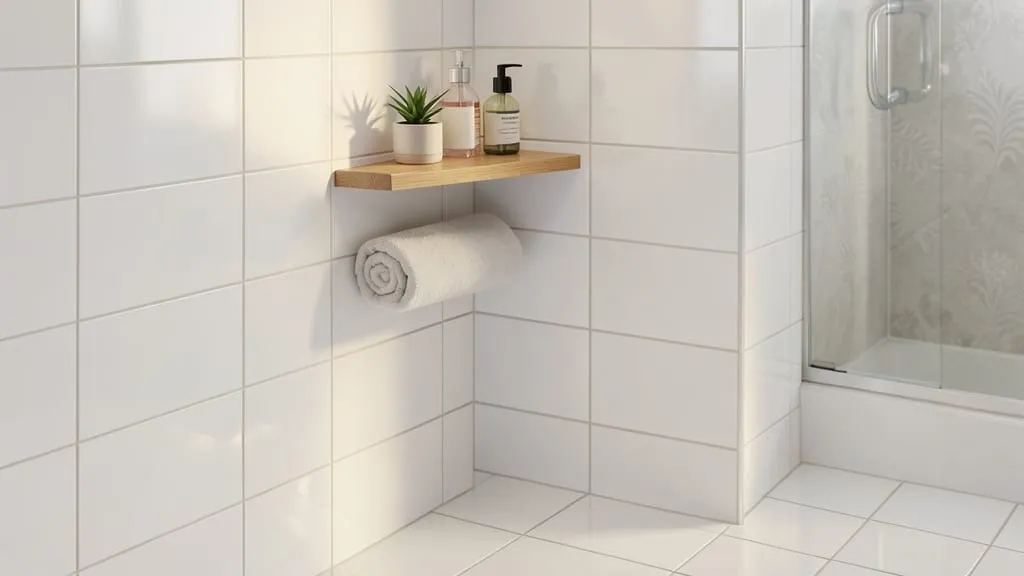
Porcelain or ceramic tile is a non-porous, mold-resistant choice for bathrooms and kitchens. Use epoxy grout instead of traditional grout to further reduce moisture absorption.
Vinyl plank flooring with a waterproof core (WPC) is ideal for basements or laundry rooms. Unlike laminate, it won’t swell or delaminate when exposed to moisture.
For walls, consider using antimicrobial paint additives. These don’t prevent mold but inhibit its growth on painted surfaces, which is useful in high-humidity areas like San Miguel or Vine Hill.
Exterior Materials to Block Moisture Intrusion
Fiber cement siding resists rot, warping, and mold. It’s a durable choice for homes in areas like Benicia or Moraga, where coastal humidity can be an issue.
PVC trim and composite decking won’t absorb water, making them low-maintenance options for exterior renovations. They’re especially useful in damp climates or near water features.
Ensure proper flashing and house wrap installation. Z-flashing above windows and doors directs water away from vulnerable seams, while house wrap acts as a secondary moisture barrier.
Exterior Moisture Prevention Checklist
- Install Z-flashing above all windows and doors
- Use house wrap with taped seams
- Choose fiber cement or PVC for siding and trim
- Ensure proper slope away from the foundation (minimum 6 inches over 10 feet)
- Seal all penetrations (pipes, vents, electrical) with waterproof sealant
Crawl Spaces and Attics: Critical Areas for Mold Prevention
Crawl spaces in older Concord homes often lack proper ventilation or vapor barriers. Encapsulating with a heavy-duty polyethylene liner and adding a dehumidifier can prevent mold growth on joists and subflooring.
In attics, ensure soffit and ridge vents are unobstructed. Poor airflow leads to condensation, which can soak insulation and sheathing. This is a common issue in neighborhoods like Acalanes Ridge or Mountain View.
Consider installing a radiant barrier in attics to reduce heat transfer, which can also help manage humidity levels.
When to Call in the Pros for Mold Remediation
If you discover existing mold during your renovation—especially in hidden areas like behind drywall or under flooring—stop work and call for a professional mold inspection. DIY removal can spread spores and worsen the problem.
Our team uses HEPA vacuums, air scrubbers, and antimicrobial treatments to safely remediate mold in homes across Contra Costa County, from Antioch to Orinda. We also address the root cause to prevent recurrence.
For commercial properties in areas like Contra Costa Centre or North Gate, mold remediation often requires containment barriers and negative air pressure to protect occupants.
How to Choose Mold-Resistant Materials for Your Renovation
Selecting the right materials is only half the battle—proper installation and moisture control are key.
- 1Assess Your Home’s Moisture Risks
Identify problem areas like basements, bathrooms, or crawl spaces. Use a moisture meter to check for hidden dampness in walls or subflooring.
- 2Select Materials Based on Location
For wet areas, choose non-porous or treated materials like cement board or pressure-treated wood. For attics or walls, opt for paperless drywall and closed-cell insulation.
- 3Install Moisture Barriers
Use vapor retarders in exterior walls and house wrap under siding. In crawl spaces, a 20-mil polyethylene liner can prevent ground moisture from seeping in.
- 4Ensure Proper Ventilation
Install exhaust fans in bathrooms and kitchens. In attics, combine soffit, ridge, and gable vents to promote airflow. Consider a dehumidifier for basements or crawl spaces.
- 5Seal and Maintain
Seal all gaps, cracks, and penetrations with waterproof caulk or spray foam. Regularly inspect for leaks, condensation, or signs of mold, especially after heavy rains.
Frequently Asked Questions
What are the most mold-resistant materials for a bathroom renovation in Concord?
For bathrooms, we recommend cement board for walls, porcelain tile with epoxy grout for floors and showers, and paperless drywall for ceilings. Use PVC trim and moisture-resistant paint to further reduce risk.
Can mold grow on pressure-treated wood?
While pressure-treated wood resists rot and fungal decay, mold can still grow on its surface if it remains wet. It’s best for framing but should be paired with proper moisture barriers and ventilation.
Is spray foam insulation worth the cost for mold prevention?
Yes, closed-cell spray foam acts as both insulation and a moisture barrier, making it highly effective for crawl spaces and attics. It’s a long-term investment that also improves energy efficiency, which can offset the higher upfront cost.
How do I know if my current insulation has mold?
Signs include a musty odor, visible dark spots or discoloration, and increased allergy symptoms. If you suspect mold, avoid disturbing it—call for a professional mold inspection and air quality test.
Are there mold-resistant materials for HVAC systems?
Yes. Use antimicrobial duct liners or metal ducts (galvanized steel or aluminum) to prevent mold growth in HVAC systems. Regularly clean and replace filters, and ensure proper humidity control to keep the system dry.
What should I do if I find mold during my renovation?
Stop work immediately to avoid spreading spores. Isolate the area, turn off HVAC systems, and contact a certified mold remediation team. We’ll assess the extent, contain the issue, and safely remove it while addressing the moisture source.