Long-Term Mold Prevention: Cost-Effective Solutions for Concord Homes
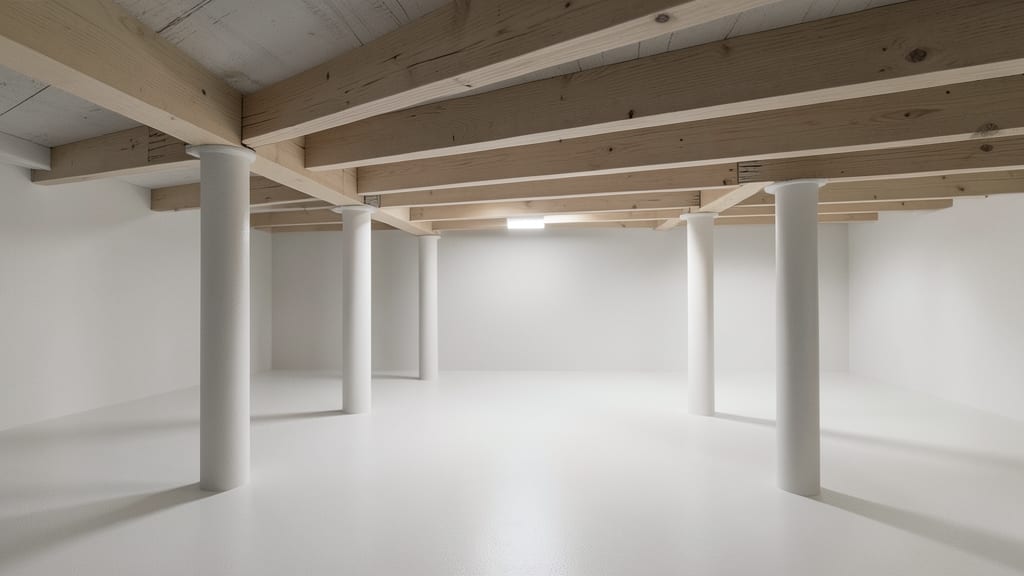
Mold thrives in Concord’s damp winters and warm, humid summers, turning hidden moisture into a silent threat to your home’s structure and air quality. We’ve spent years stopping it before it starts—with proven, budget-conscious strategies that outlast quick fixes. Long-term prevention isn’t just about cleaning up; it’s about cutting off mold’s lifeline.
Why Concord Homes Are Prone to Mold Growth
Our Mediterranean climate delivers heavy winter rains followed by dry heat, creating ideal conditions for mold to take root in attics, crawl spaces, and basements. Poor drainage or grading around foundations worsens the problem.
Older neighborhoods like San Miguel or Acalanes Ridge often have aging plumbing and ventilation systems that trap moisture. Even newer homes in Contra Costa Centre can suffer if humidity isn’t controlled.
The Hidden Costs of Ignoring Mold Prevention
Unchecked mold leads to structural damage—rotting wood, compromised drywall, and deterioration of insulation. These repairs dwarf the cost of proactive measures.
Health risks like allergies, respiratory issues, and long-term exposure effects often go unnoticed until they become severe. Air quality testing can reveal problems before they escalate.
Mold can colonize within 24–48 hours of water intrusion. Delaying action turns a manageable issue into a full-scale remediation project.
Cost-Effective Prevention: Moisture Control Fundamentals
Start with the basics: fix leaks in roofs, pipes, and HVAC systems. Even small drips in attics or crawl spaces in areas like Lafayette or Orinda can fuel widespread growth.
Ensure proper grading around your home’s perimeter to direct water away from the foundation. French drains or swales are smart investments for properties in low-lying areas like Bay Point or Pittsburg.
Ventilation and Airflow: Your First Line of Defense
Attics and crawl spaces need consistent airflow to prevent condensation. Ridge vents, soffit vents, and powered fans keep humidity in check, especially in older homes in Pleasant Hill or Walnut Creek.
Bathrooms and kitchens require exhaust fans vented outside—not into attics. This simple upgrade prevents moisture buildup that leads to ceiling mold.
| Area | Solution | Effectiveness |
|---|---|---|
| Attic | Ridge and soffit vents | High |
| Crawl Space | Encapsulation + dehumidifier | Very High |
| Bathroom | Exhaust fan (vented outside) | High |
| Basement | Foundation vents + sump pump | Moderate to High |
Dehumidifiers and Moisture Barriers: Smart Investments
Portable or whole-house dehumidifiers maintain humidity below 50%, the threshold where mold struggles to grow. They’re essential in damp areas like basements in Martinez or crawl spaces in Antioch.
Vapor barriers in crawl spaces and moisture-resistant drywall in bathrooms add long-term protection. These materials resist absorption, buying time to address leaks before mold forms.
Place dehumidifiers near moisture sources, but ensure they drain automatically to avoid creating new water risks.
Targeted Solutions for High-Risk Areas
Crawl spaces benefit from encapsulation—a sealed vapor barrier paired with a dehumidifier. This approach is common in Clayton and Diablo, where soil moisture is a persistent issue.
Attics require insulation that doesn’t trap moisture. Spray foam or rigid foam boards outperform fiberglass in humid climates, reducing the need for frequent attic mold remediation in areas like Blackhawk or Alamo.
High-Risk Area Checklist
- Inspect crawl space for standing water or damp soil
- Check attic for condensation on rafters or insulation
- Test basement walls for efflorescence (white mineral deposits)
- Ensure HVAC drip pans are clean and draining properly
HVAC Systems: A Common but Overlooked Mold Source
Ductwork and coils in HVAC systems can harbor mold if not maintained. Regular inspections and cleaning prevent spores from circulating through your home in Moraga or Orinda.
Consider UV-C light installations in HVAC units to neutralize mold spores. This is a cost-effective add-on during routine maintenance for homes in Danville or San Ramon.
When to Call in the Pros for Mold Prevention
If you’ve experienced water damage from storms or plumbing failures, professional water damage restoration is critical. DIY fixes often miss hidden moisture in walls or subfloors.
For commercial properties or large residential spaces in Benicia or Port Costa, comprehensive mold prevention plans—including regular testing and remediation—are non-negotiable.
Many mold issues start small. Request a quote to identify vulnerabilities before they become costly problems.
How to Conduct a DIY Mold Prevention Audit
A thorough walkthrough can reveal risks before they escalate.
- 1Check for Visible Signs
Look for discoloration, peeling paint, or musty odors in attics, basements, and around windows. Pay special attention to north-facing walls, which stay damp longer.
- 2Test Humidity Levels
Use a hygrometer to measure humidity in problem areas. Levels above 50% require action, such as adding ventilation or a dehumidifier.
- 3Inspect Plumbing and Appliances
Examine under sinks, behind washing machines, and around water heaters for leaks or condensation. Even slow drips can cause mold in Vine Hill or Reliez Valley homes.
- 4Evaluate Outdoor Drainage
Ensure downspouts extend at least 5 feet from the foundation. Check for pooling water near the base of your home, especially after heavy rains.
- 5Review Ventilation Systems
Confirm that bathroom and kitchen fans vent outside. Blocked or improperly vented fans dump moisture into attics or walls.
- 6Document and Prioritize
Note all findings and tackle the most critical issues first. For example, a leaky roof in Shell Ridge takes priority over minor condensation in a well-ventilated attic.
Frequently Asked Questions
How often should I test for mold in my Concord home?
Annual air quality testing is ideal, especially if your home has a history of moisture issues or is in a flood-prone area like Pacheco. After any water intrusion event, test immediately—even if the area appears dry.
Are dehumidifiers enough to prevent mold in my crawl space?
Dehumidifiers help, but they’re most effective when paired with a vapor barrier and proper ventilation. In areas like Clyde or Bay Point, encapsulation provides the best long-term protection against crawl space mold.
What’s the most cost-effective way to prevent attic mold?
Improving ventilation is the top priority. Installing ridge and soffit vents is a low-cost, high-impact solution. In older homes in Martinez or Pleasant Hill, adding a powered attic fan can further reduce humidity.
Can mold return after professional remediation?
Yes, if the root cause—like a hidden leak or poor ventilation—isn’t addressed. That’s why our team always pairs remediation with prevention strategies tailored to your home’s specific conditions in Concord or nearby areas.
Is mold prevention different for commercial buildings?
Commercial spaces often have larger HVAC systems, more complex plumbing, and higher occupancy, which can accelerate mold growth. Regular inspections, moisture monitoring, and employee training on spill response are critical for businesses in Contra Costa County.
Do I need mold testing if I don’t see any mold?
Absolutely. Mold often grows in hidden areas like inside walls or under flooring. Testing detects spores before they become visible, saving you from costly remediation down the line in neighborhoods like Alhambra Valley or Castle Hill.